
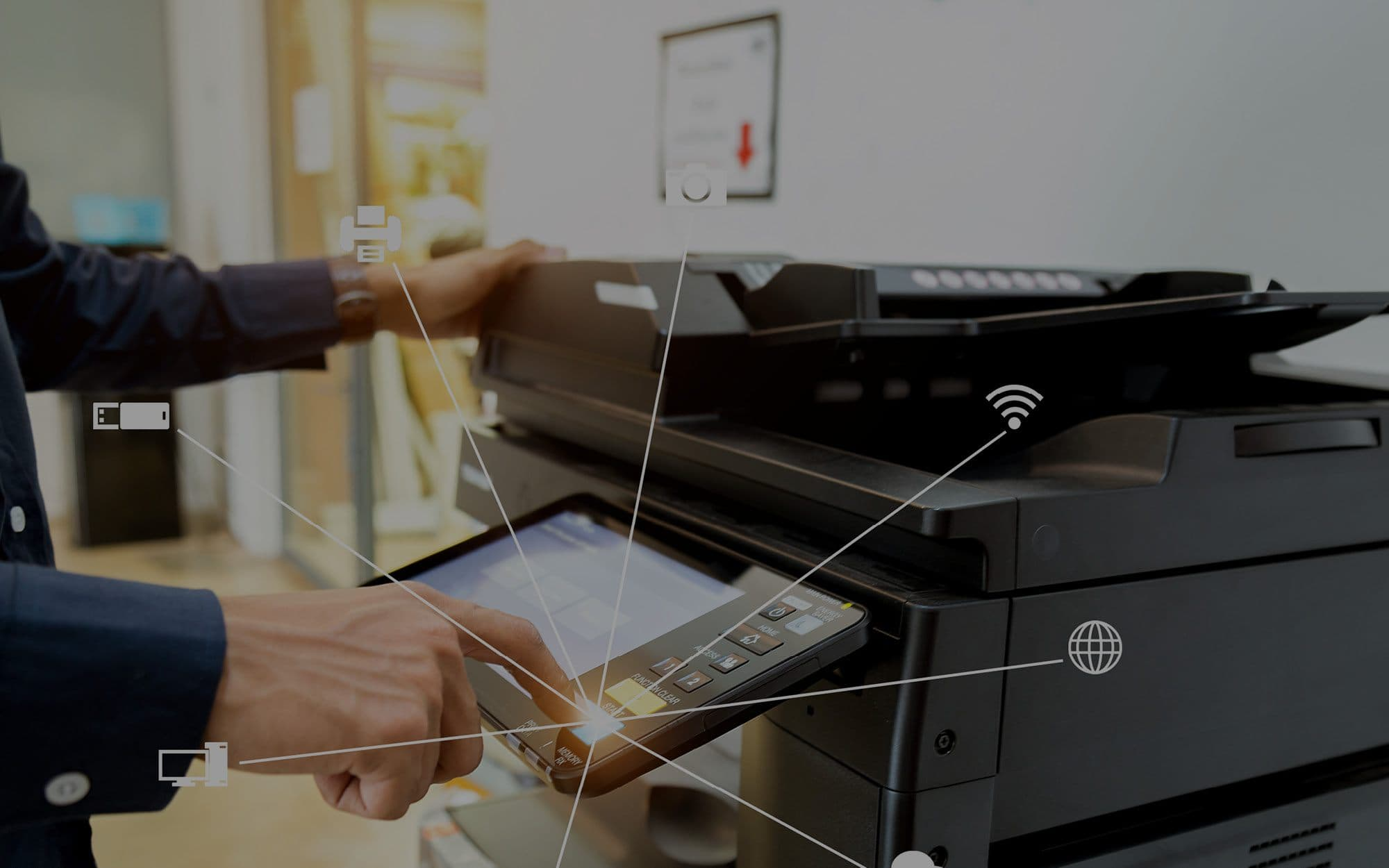
Printing is one of the most important technologies in human history, transforming how information is shared, preserved, and distributed. From ancient methods of stamping text to modern digital and 3D printing systems, the printing industry continues to evolve and play a major role in education, business, marketing, and manufacturing.
The Evolution of Printing Technology
The history of printing dates back thousands of years, with early forms such as woodblock printing used in ancient China. However, the invention of the printing press by Johannes Gutenberg in the 15th century revolutionized the world. It made books more accessible, increased literacy, and allowed knowledge to spread faster than ever before.
Today, printing has advanced far beyond traditional presses. Modern technologies include digital printing, offset printing, laser printing, and even 3D printing. Each method serves different purposes depending on speed, cost, and quality requirements.
Types of Printing Methods
There are several major types of printing used in industries and everyday life:
1. Offset Printing:
Offset printing is widely used for large-volume production such as newspapers, magazines, brochures, and books. It produces high-quality images and is cost-effective for bulk printing jobs.
2. Digital Printing:
Digital printing is ideal for small to medium print runs. It allows quick turnaround times and customization, making it popular for business cards, flyers, and personalized materials.
3. Screen Printing:
This method is commonly used for printing designs on textiles, clothing, posters, and promotional items. It is known for producing vibrant and durable prints.
4. 3D Printing:
One of the most innovative forms of printing, 3D printing creates three-dimensional objects from digital models. It is widely used in manufacturing, healthcare, architecture, and product design.
5. Large Format Printing:
Used for banners, billboards, and signage, this type of printing focuses on oversized materials for advertising and display purposes.
Importance of Printing in Business
Printing remains a vital tool in business communication and marketing. Even in the digital age, printed materials continue to provide credibility and a tangible connection with customers.
Businesses use printing for:
- Business cards and stationery
- Marketing brochures and flyers
- Product packaging and labels
- Posters and banners
- Catalogs and promotional materials
High-quality printing helps businesses build strong branding and professional presentation. It also supports offline marketing strategies that complement digital campaigns.
The Role of Printing in Education and Daily Life
Printing plays a crucial role in education by producing textbooks, worksheets, research materials, and learning aids. Students and teachers rely on printed materials for structured learning and reference.
In daily life, printing is used in receipts, tickets, official documents, packaging, newspapers, and more. Even with the rise of digital devices, printed materials remain essential for accessibility and convenience.
Environmental Impact of Printing
While printing is highly useful, it also has environmental impacts, especially when it comes to paper consumption and ink usage. However, the industry has made significant progress toward sustainability.
Eco-friendly printing practices include:
- Using recycled paper
- Soy-based or vegetable inks
- Energy-efficient printing machines
- Reducing waste through digital proofs
- Sustainable sourcing of materials
Many companies are now adopting green printing solutions to reduce their carbon footprint and support environmental responsibility.
The Future of Printing
The future of printing is closely linked to technological innovation. Digital transformation continues to make printing faster, more efficient, and more customizable. 3D printing is expected to grow rapidly, especially in healthcare, aerospace, and manufacturing industries.
Artificial intelligence and automation are also improving print quality control, workflow management, and production efficiency. At the same time, personalized printing is becoming more popular in marketing, allowing businesses to target customers more effectively.
Conclusion
Printing remains a powerful and essential technology that supports communication, creativity, and industry across the world. From traditional offset printing to advanced 3D technologies, it continues to evolve and adapt to modern needs. Despite the rise of digital media, printing still holds a strong and irreplaceable place in education, business, and everyday life.
Leave a Reply