
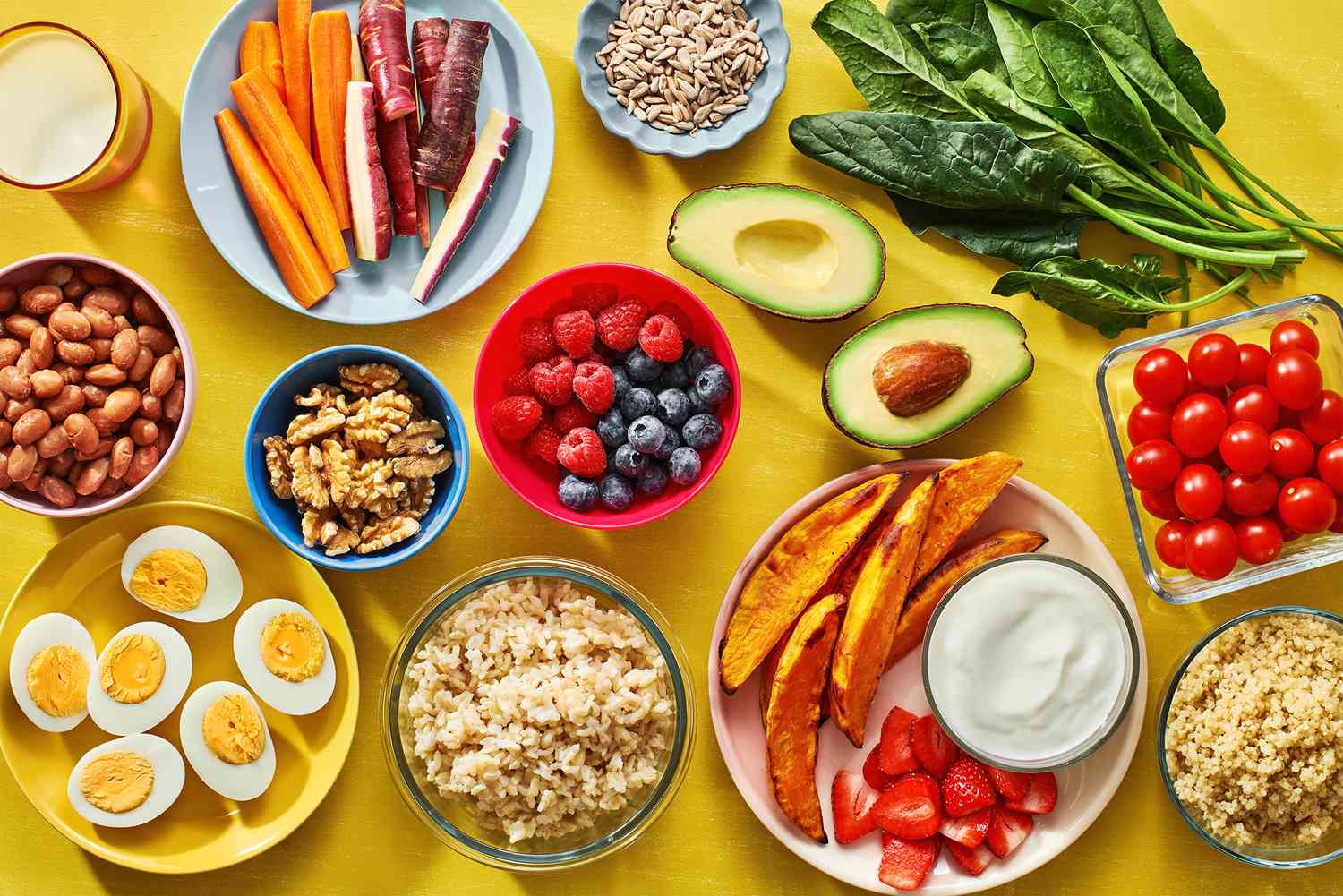
Food is one of major part of our life. It sustains us, nourishes our bodies, and provides us with a source of happiness and comfort. However, food is far more than a source of survival — food is critical to our health and well-being. Getting the right foods can have a major impact on raising energy levels, boosting the immune response, creating clearer thoughts, and even extending life. The food that we consume daily affects us in so many ways and there are practical steps for us to take towards a healthier way of eating as well as a better understanding of how exactly our food relates to our mood.
Food and Its Relation to Health
How we feel — emotionally and physically — is directly affected by what we eat. Foods rich in nutrients provide the vitamins, minerals, carbohydrates, lipids, proteins and quality required for the optimal functioning of the body. On the other hand, poor dietary practices can result in health problems including fatigue, weight gain, and long-term illnesses such as diabetes, heart disease, and digestive disorders.
Food not only has a physiological effect but also affects our mental health. The literature indicates that nutrition is a critical factor in the functioning of the brain, in mood regulation, and in guide mental health diseases [such as] depression and anxiety. For example, omega-3 fatty acids found in fish and walnuts have been shown to support cognitive function and stabilize mood.
The Basics of a Healthy Diet
A good diet is balanced, varied, and rich in the nutrients your body requires to function optimally. To know what makes a healthy diet, it helps to look at the major groups involved.
Macronutrients: The Foundation of Nutrition
The nutrients that provide the energy required for our body to function are called Macronutrients. They are carbohydrates, proteins, and fats. Each macronutrient plays a specific role in maintaining bodily functions.
Carbohydrates: Often misunderstood and excluded in multiple fad diets, carbohydrates are the body’s primary source of energy. They’re found in foods such as fruits, vegetables, whole grains and legumes. Whole carbs are dense in fiber, which is good for your digestive system, helps control blood sugar levels, and keeps you at a healthy weight.
Proteins: These are the basic building blocks of our muscles, tissues and organs. They consist of amino acids and are found in foods like meat, poultry, fish, beans, nuts and dairy. Protein is important for cell repair and immune function, and it helps keep you full and satisfied after meals.
Fats: Healthy fats are critical for brain function, hormone production, and the absorption of some vitamins (A, D, E, K). Examples of healthiest fats are:Olive oilAvocadosFat fishNuts and seeds It’s important to make a distinction between healthy fats (monounsaturated and polyunsaturated fats) and unhealthy fats (trans fats and saturated fats present in processed foods).
Micronutrients: The Little Powerhouses of Nutrients
Micronutrients (Vitamins and Minerals) — Micronutrients are vitamins and minerals needed in small amounts but much required. They aid in the conversion of food into energy, facilitate healthy skin and hair, bolster immune function and much more.
Vitamins: Vitamins support various functions such as immune functions, bone health, skin health and production of energy, vitamin like C, D, B- vitamins, and E are few of the important vitamins. For instance, vitamin C is essential for the production of collagen and the healing of wounds, and vitamin D assists with absorption of calcium and bone health.
Minerals: Important minerals such as calcium, iron, magnesium, and potassium contribute to bone health, oxygen transport, nerve function, and muscle contraction. Calcium and magnesium play key roles in bone density and muscle function, and iron helps carry oxygen in blood.
Water: The Essential Element
Water may be the most forgotten nutrient, but it is the most important nutrient for life. Every cell, tissue, and organ in the human body relies on the water to function properly, as the body is made up of about 60 % water. Hydration aids digestion, absorption of nutrients, detox and lubrication of joints.
Staying Hydrated: It is general recommended you drink a minimum of eight 8-ounce glasses of water a day but your needs may vary based on your level of activity, climate, and health condition. Pavlidou lists fruits (like watermelon, oranges) and some vegetables (including cucumbers, celery) that provide hydration as well.
How Food Can Affect Mental Health
Besides benefiting your physical health, the foods you eat can have a major impact on your mental health. To function optimally, the brain requires a good, reliable supply of nutrients. Eating a wide variety of whole, nutrient-dense foods supports cognitive function, memory, mood stability, and general brain health.
The Gut-Brain Connection
New research has emerged indicating that the gut and brain are closely connected, known as the “gut-brain axis.” The trillions of microorganisms in the gut that comprise the microbiome help regulate our mood and mental health.
Some of these are — Probiotics and fermented foods: Probiotic rich foods like yogurt, kefir, kimchi, sauerkraut, are good synbiotics, which lead to a better balance of good gut bacteria which can make you feel better^14.
Prebiotics: Foods that promote good bacteria in the gut, such as garlic, onions, bananas, and asparagus, can also help boost the gut-brain connection and improve mental health.
Foods that Affect Mood and Brain Function
Some nutrients also help promote mental clarity, mood stability, and cognitive function. Omega-3 fatty acids, which are high in fatty fish such as salmon, walnuts and flaxseeds, are important for brain health and have been found to ease symptoms of depression. Other nutrients such as magnesium (obtained from leafy greens and almonds) and vitamin D (from fortified dairy products and sunshine) are also connected to an enhanced mood.
Monitoring blood sugar for the maintenance of blood sugar balance and mood regulation
And blood sugar drops can affect both your mood and energy levels. A diet high in whole grains, fiber and protein stabilizes blood sugar levels and reduces mood swings, irritability and fatigue. Uptake of sugary snacks and refined carbohydrates can cause blood sugar crashes that cause irritability and poor concentration.
Food: Nutrition for Disease Prevention
Many chronic diseases can be prevented, thanks to a healthy diet. What you eat can reduce your risk for diseases like heart disease, diabetes, cancer and digestive disorders.
Heart Health
A diet rich in fruits, vegetables, whole grains and healthy fats (like olive oil and foods rich in omega-3 fatty acids) can lower the risk of heart disease by lowering cholesterol, lowering blood pressure, and preventing buildup of plaque in arteries.
Limit Saturated Fats: Cut down on saturated fats (located in fatty cuts of meat, butter and full-fat dairy) and trans fats (discovered in processed snacks and baked goods). Instead, emphasize monounsaturated and polyunsaturated fats from sources such as nuts, seeds and avocados.
Diabetes Prevention
Having a well-balanced diet can have this great effect of regulating blood sugar and insulin levels thus reducing the risk of type 2 diabetes. High-fiber foods like whole grains, legumes, and vegetables slow down the absorption of sugar into the blood, avoiding insulin spikes and crashes.
Cancer Prevention
Although no single food can prevent you from having cancer, some have cancer-f fighting properties. Powerful cell-protecting compounds that are well-researched in cruciferous vegetables like broccoli, kale and Brussels sprouts may help protect cells from DNA breakdown. Other sources of antioxidants include berries, nuts, and green tea, which work to lower oxidative stress and inflammation.
Gut Health
Increased fiber intake through fruits, vegetables, whole grains, and legumes facilitates optimal digestion and supports the gut microbiome. Probiotics from fermented foods, such as fermented vegetables, yogurt and kimchi, help to keep gut flora balanced, and even prevent the development of gastrointestinal disorders such as irritable bowel syndrome (IBS) and inflammatory bowel disease (IBD).
Mind Food: Savoring Moments Before the Meal
Food is not only necessary for health, but it is also something to be enjoyed. Mindful eating involves eating slowly, focusing on each bite, noticing what hunger and fullness feel like, and how food makes your body and spirit feel.
Slow Down and Savor: Instead of wolfing down meals, spend time relishing the flavors, textures and smells of what you’re eating. It is helpful to avoid over-eating and aids digestion.
Feel Your Body: Notice how your body reacts after eating. You’re either satiated or stuffed. Are you livening up or drowsy? Becoming attuned to these signals will help you make more deliberate decisions about what, when and how much to eat.
Bottom Line: Use Food For Reformative Medicine
Food can be our best medicine or our worst enemy. With careful consideration of what we eat, we can enhance our health physically, aid our mental health, help prevent disease, and elevate our quality of life. And do keep in mind though that a healthy body and functional brain is built on eating a good varied diet with whole, nutrient-dense foods. Then, embracing food as nourishment, not a source of stress or guilt, can create a much healthier relationship with what you consume on a long-term basis, and a tool to be used at your advantage!
Leave a Reply