
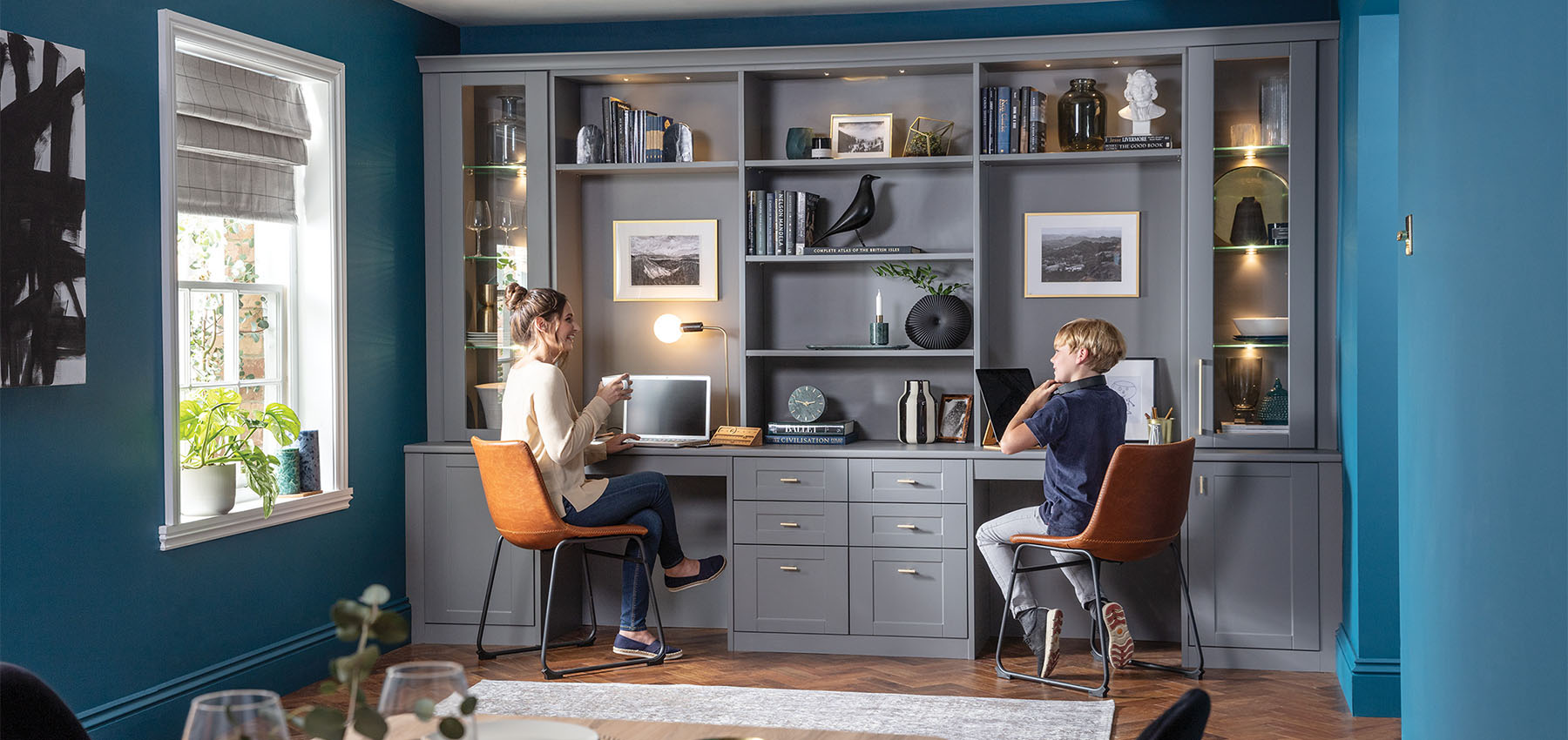
Home is not just where we live; it is also where we find shelter, comfort and express our creativity. Whether you are settling into a new property or wish to energize your present space, crafting a comfortable and practical surrounding is essential to enriching your quality of life. In this article we are going to discuss tips and tricks for designing a home that looks good and feels great, no matter what room of the house you are in.
Why Your Home Matters
The setting we live in is crucial for both our mental and physical health. Factors such as the ambiance, clutter and Feng Shui of our space can affect how we feel, how energized we are and even how productive we are. Conversely, a neatly arranged and visually appealing home can be soothing, lower stress levels, and uplift our moods. Conversely, a cluttered, poorly designed home can foster feelings of frustration and anxiety.
To create a home that is balanced and promotes relaxation, functionality and productivity, you need thoughtful design, the right furniture, some organization and good understanding of your personal style. Whether you use it as a home office, for entertaining guests, or simply unwinding after a long workday, an effectively designed home will cater to every part of your life.
Essentials for a Comfortable and Functional Home
Finding that balance between practicality and aesthetic is key to creating a comfortable and functional home. The trick is creating beautiful, functional spaces that make the most of every inch of each room.
Hpotel meets your Need of Furniture
Furniture is central to the comfort and functionality of your home. Your lifestyle, space limitations and aesthetic preferences should guide your furniture choices.
Comfort over style: Look, we all want our homes to look cool, but at the end of the day, function does over form. Such as, a sofa or chair that looks amazing but isn’t comfortable can ruin your living room into a space that doesn’t give you joy in spending your time.
Multi-functional pieces: In a small space, furniture that performs double duty is key. Seek out sofa beds, foldable tables and storage ottomans that let you save space — without sacrificing form.
Scale is key: Don’t squish too much big, heavy furniture into a small room. Pick pieces that suit the proportions of the room and enable for a natural flow of movement.
Creating an Effective Layout
Your furniture arrangement is as vital as the pieces you select. A well-organized layout can make your home feel roomy and easy to navigate; a poorly thought out one can turn your home into a tight, unpleasant squeeze.
Open space: Allow enough distance between furniture in living rooms and dining areas to facilitate walking. Avoid blocking walkways and don’t place large pieces of furniture in the middle of the room unless that is the focal point (think coffee table or entertainment unit).
Zoning: If you have a larger room, consider dividing the space into an area to work and an area to relax. For example, if the layout is an open space with a living room and a kitchen area, you may use a rug or even the furniture to divide the space and create a cozy reading corner or an separated dining room. These will create a sense of structure in your home and allow you to maximize the practical capabilities of each space.
Decorative lighting could be used for ambient and practical lighting
Lighting can change the feel of a room. Good lighting not only beautifies a space, it also influences your mood, energy and productivity. By mixing light sources, we can add different layers of lighting that help create an atmosphere that is more vivid and inviting.
Layer your lighting: A mix of ambient (general), task (focused) and accent lighting (decorative) gives your space depth.
Ambient: These include overhead lights, ceiling fans, and recessed lighting, which help provide a general, background light.
Task lighting: Desk lamps, reading lights and under-cabinet lights are ideal for particular jobs, such as reading, cooking or working.
Accent lighting: Wall sconces, pendant lights, or LED strips can draw the eye toward art, architectural features, or provide mood lighting for lounging.
Exploit the natural light: Natural light gives a bigger illusion to a place making it more inviting and welcoming. Hang light, brightly colored curtains, blinds or sheer drapes to let in more daylight. Frosted windows or window films can be great for privacy if you need it.
Color Schemes and Textures
Color has a powerful influence on the emotion of a room. Use Colour Wisely Different colours invoke different emotions, so choose your colour scheme wisely based on the function of the room.
Neutral tones: Soft neutrals like whites, beiges, and greys work well in living rooms and bedrooms where relaxation is key, and provide a timeless feel. You can introduce splashes of color and personality with accessories like pillows, rugs, or art pieces.
Dramatic accents: If you’re using the paint in spaces like home offices or dining areas, don’t shy away from bolder colors like navy, emerald green or mustard yellow. These shades can give personality and make the space humming.
Depth with textures: Using different textures like velvet sofas, wood furniture, leather chairs or shaggy carpets can give a sense of depth in a room and also make it lively and inviting. Another easy way to add warmth and visual interest is through mixing textures.
Storage and Organization
Storage is one of the most important aspects of a functional home. A clean and tidy area is not only visually satisfying but also lessens anxiety and increases productivity. Dled and neat, implementing some cunning storage solutions will help you achieve this.
Built-in storage: Opt for built-in shelving, cabinets, or under-stair storage to use space that otherwise goes unused. Built-ins allow you to make the most of space and keep things from cluttering up the view.
Covert storage solutions: Furniture that hides additional storage space, like ottomans, coffee tables with hidden compartments, storage benches. These can be especially helpful in tighter spaces.
make decluttering a regular habit: Things tend to pile up easily so make decluttering a regular habit. Only hold onto useful items and give away or sell things that have become irrelevant.
Personalizing Your Space
Only a house with teddy bears from your childhood, and a garden full of pumpkins can make a home. Artwork, family photos, heirlooms and unique décor items contribute to making your home a one-of-a-kind reflection of you.
Artwork and décor: Select art and decorative items that speak to you. From a large painting in the living room to a collection of travel souvenirs on a bookshelf, your home should tell your story.
Plants and greenery: House plants bring in a touch of nature, help purify indoor air, or create a relaxing ambience. If you’re new to gardening, opt for low-maintenance plants such as succulents, snake plants or pothos.
Family heirlooms or vintage pieces: Using antiques or personal mementos to decorate your home can introduce history and character into your space, making it feel unique and meaningful.
Technology and Smart Home Functionality
Technology is an integral part of home design today. Smart home upgrades add convenience Along with the added benefits mentioned above, smart home integration can also add to the convenience factor by making your space more functional.
Smart thermostats and lighting: Devices such as Nest thermostats or Philips Hue lighting enable you to adjust the temperature and lighting from your smartphone, which can help you save energy and make your home more convenient.
Voice-activated assistants: Amazon Alexa, Google Home, and Apple’s Siri can help you control your home’s devices, play music, set reminders or check the weather — all with just your voice.
Home security systems: Smart security cameras, doorbells and motion sensors can help keep an eye on your home while you’re away and offer some peace of mind.
Maintenance and Care
Tidying up your home to quit playing is vital for its viability and comforts. Maintenance ensures that everything is functioning normally as home you want it to feel fresh.
Get seasonal maintenance: Regularly check your heating and cooling units, clean gutters, inspect roofs for damage and service appliances. This allows larger issues to be avoided later on.
Regular cleaning: Set up a schedule for regular cleaning that details weekly, monthly and seasonal tasks. Regular cleans will keep your space looking polished, comfortable and inviting to live in.
Conclusion
Creating a functional yet stylish home doesn’t have to feel overwhelming. Whether it involves understanding the layout of your space, why furniture choice matters, how to select a color palette that works for you, or adding personal touches — you can create a living environment that works for your needs and your personality. Whether your home is an office, guest entertainment space, or relaxing retreat from a hectic day, it’s a place that should nurture your lifestyle and promote your well-being. Following these tips, you should have no trouble turning any space into a beautiful, cozy, and functional home.
Leave a Reply