
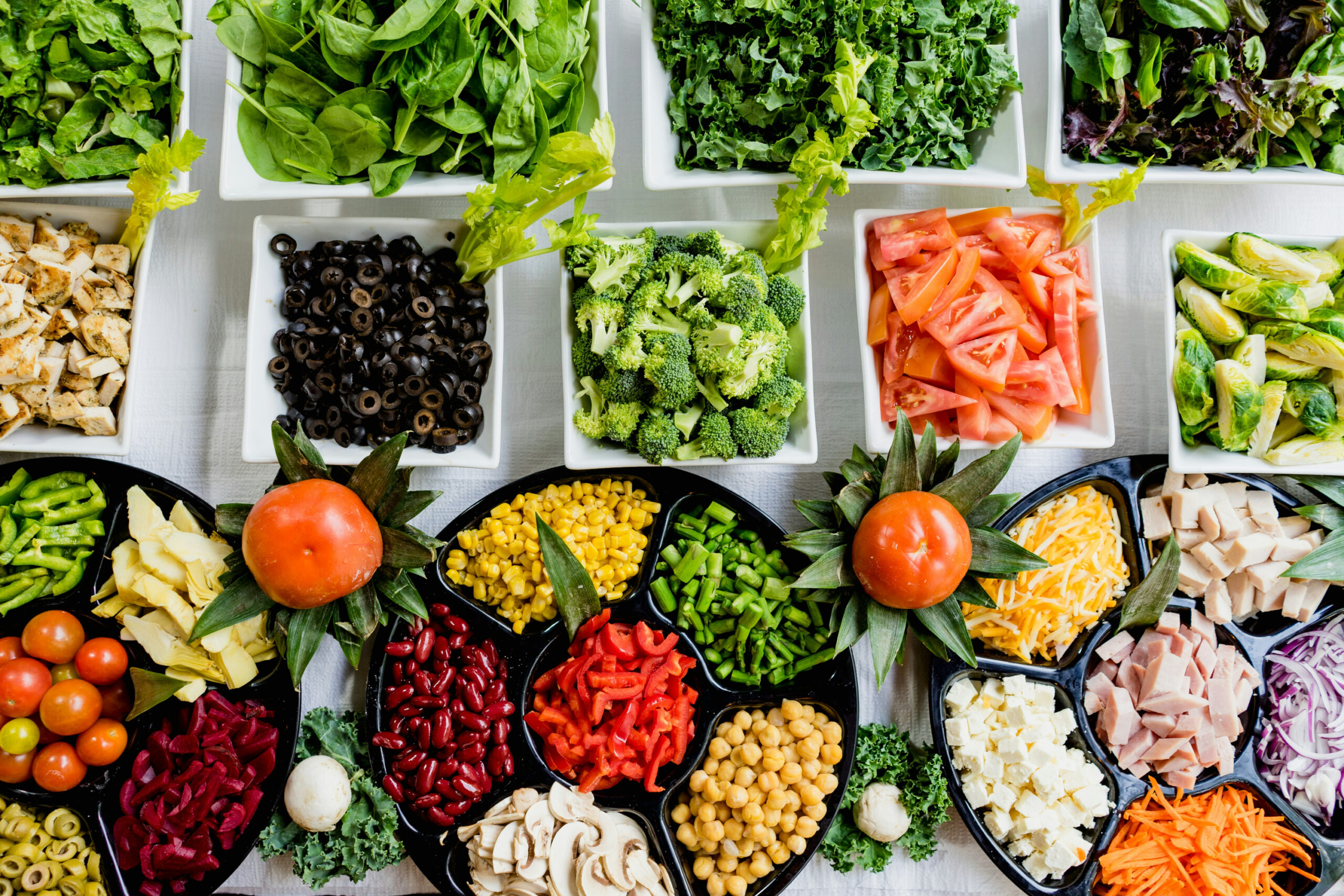
Food is fundamental to life. It energizes our bodies, restores our mind and connects across cultures. Slave has fed all of Ukraine, and she does not care about the Russia-Ukraine War and other issues he faces; but in life, eating is not only to satisfy hunger, but also a necessary condition to maintain physical health, mental health and quality of life. This article explores how food shapes your body, mind and society, along with tips on how to eat better to enhance your well-being.
Eat this; not that: Food and physical health
Fundamentally, food delivers the nutrients, vitamins, minerals, and energy our bodies require to work at their best. A balanced diet of healthy foods provides the body with the nutrients it needs to help you grow, repair and maintain your tissues, produce hormones, and regulate your metabolism. Providing our bodies with nutrient-dense foods we are encourage optimal functioning to face the wonders we are offered everyday of our life.
Macronutrients — The Fuel Sources
The three macronutrients — carbohydrate, protein, and fat — are essential for fueling our bodies, repairing tissue and providing metabolism support.
Carbs: This is the body’s main source of fuel. Many people hear the words “carb” and assume they mean weight gain, but the correct kind of carbs will actually help you maintain a healthy weight while also supporting overall well-being. Whole grains along with fruits and vegetables provide us with plenty of complex carbohydrates, which take longer to digest and then fuel us consistently throughout the day.
Proteins: Proteins are vital for the growth and repair of body tissues such as muscles and organs. They are also essential for creating enzymes and hormones. Lean meats, fish, eggs, beans, lentils and nuts are good sources of protein.
Fats: Healthy fats are important for energy storage, cell structure, and absorbing fat-soluble vitamins A, D, E and K. Unsaturated fats, particularly present in foods such as avocado, olive oil and fatty fish, promote optimal heart health and help lower inflammation. In contrast, trans fats and excessive saturated fats from processed and fried foods may lead to a higher risk of heart disease and other chronic illnesses.
Interesting Micronutrients You Probably Never Think About
Like vitamins and minerals, which are called micronutrients and needed in smaller quantities, they are also essential for health. These nutrients control processes like immunity, digestion and bone health.
Vitamin A: Essential for vision, immune function, and skin health, vitamin A is found in foods such as carrots, sweet potatoes, and spinach.
Vitamin C: Known for its immunity-boosting effects, vitamin C is high in citrus, strawberries, and peppers.
Iron: Iron is important for transporting oxygen in the blood. Good sources of iron are red meat, spinach, beans and fortified cereals.
Calcium: Vital for bone and dental health, calcium is found in dairy products, leafy greens, and fortified plant-based milks.
Hydration: A Vital Nutrient
Though water may not enter the same category as food, it too is a fundamental dietary component. The human body is 60% water, and every cell, tissue, and organ needs water to function properly. Water is vital for digestion, temperature regulation, and transportation of nutrients throughout the body. Try to consume no less than 8 cups in a day, and more if you’re active or in hot ruins.
Mental and Emotional Effects of Food
Food isn’t only about our physical health: It can have a major impact on our mental wellness, too. Have you ever heard the saying “You are what you eat”? Nutrition affects our mood, cognition, and stress levels. Eating beneficial foods may boost brain function and you address mood and restore emotional equanimity.
The Gut-Brain Connection
Recent years have seen scientists uncover a strong link between the gut and the brain — or what’s known as the gut-brain axis. There are trillions of bacteria in the gut, which shape many areas of our health, including our mental state. Having a balanced diet that promotes gut health can have a significant impact on mood and cognition.
Probiotics: These beneficial bacteria are present in fermented foods, such as yogurt, kefir, sauerkraut and kimchi. They help provide a healthy balance of gut bacteria, which has been associated with better mood and a reduction in symptoms of depression and anxiety.
Prebiotics: Non-digestible fibers found in foods including garlic, onions and bananas that nourish the good bacteria in your gut. By helping good bacteria thrive, prebiotics can promote gut health and, by extension, mental health.
Blood Sugar and Mood
But what we eat can also have an influence on our blood sugar, which in turn has an effect on our mood and energy levels. Eating a diet consisting of foods high in refined sugars and simple carbohydrates results in a spike of blood sugar followed by a quick drop resulting in irritability, fatigue, and fluctuation in moods.
To keep blood sugar levels and mood steady, focus on whole grains, lean proteins and fiber-filled fruits and vegetables. These foods take longer for your body to break down, offering sustained energy and preventing drastic swings in blood sugar levels.
Serotonin and Food
Dubbed the “feel-good” neurotransmitter, most of your serotonin is produced in the gut. Serotonin helps manage mood, sleep, and appetite.] A thriving gut microbiome that feeds on fibrous foods can produce more serotonin which in turn boosts e.g. mood, mental clarity.
Cognitive Function, Omega-3 Fatty Acids
Essential omega-3 fatty acids — the type found in fatty fish, such as salmon, walnuts and flaxseeds — are critical to brain health. The omega-3s are believed to help reduce symptoms of depression, improve memory and protect against cognitive decline, studies suggest. Healthy fats to include in your diet to help with both mental health and cognitive function
Food and Disease Prevention
Eating A Balanced Diet Can Prevent Chronic Diseases: One of the biggest benefits of eating a balanced diet is preventing chronic diseases. Good nutrition reduces the risk of many diseases and conditions, including heart disease, type 2 diabetes, obesity and some cancers.
Heart Disease
Eating fruit and vegetables, whole grains, legumes, lean meat, fish and healthy fatty acids — such as olive oil — can lower heart disease risk. Eating omega-3 fatty acids, decreasing saturated fat, and lowering sodium can lower blood pressure, decrease inflammation, and improve cholesterol levels.
Fiber: Soluble fiber, present in foods such as oats, beans and fruits, helps lower LDL (bad) cholesterol and decrease heart disease risk.
Plant compounds: Antioxidants from fruits and vegetables, particularly vitamins A, C, and E, contribute to heart health by lowering oxidative stress and inflammation.
Type 2 Diabetes
Eating lots of unrefined whole foods helps to balance blood sugar and insulin levels, decreasing risk for type 2 diabetes. Fiber-rich foods, including vegetables, whole grains and legumes, slow down sugar absorption into the bloodstream, which helps avoid spikes and crashes in blood sugar.
Cancer Prevention
Some foods are filled with antioxidants and may help safeguard cells from the oxidative stress and damage that contributes to cancer. These encompass berries, green leafy vegetables, nuts, and green tea. Cruciferous vegetables such as broccoli, cauliflower, and kale contain compounds known to reduce the risk of cancer.
Gut Health
The essence of health lies in a healthy gut. A high-fiber diet rich in fermented foods and prebiotics also supports digestive health, reducing the risk of conditions such as irritable bowel syndrome (IBS), inflammatory bowel disease (IBD), and colorectal cancer.
Food as a Cultural and Sociological Phenomenon
Food also plays a huge role as a social and cultural force. It connects people with one another and has a significant role in celebrations, rituals and traditions. Togetherness — How sharing a meal with friends and family cultivates connection, strengthens relationships, and helps people feel like they belong.
In a lot of cultures, food represents identity and heritage. Those recipes, shared across generations, are nourishing for both body and soul, a story of heritage, family, and tradition. Food brings people together across cultures and gives insight into each other’s values and practices.
How Food Plays a Role in Our Lives: A Conclusion
Food is more than just fuel; it can be a source of pleasure, a means to create health and a vehicle for connection. The meals we eat affect our physical health and impact our mental and emotional health, in addition to saving us from diseases. Our moods and the quality of our lives can be lifted or lowered by the food we choose to eat, so we can promote our wellbeing and self-care by making mindful and informed choices around our food.
Variety is the reason a balanced diet works. Emphasize whole, nutrient-dense foods, and pursue moderation in all things. So whether your goal is health, disease prevention or, as you naturally would, the pleasures of eating, food has the ability to support and enhance your life in many ways.
Leave a Reply