The Philippine apparel industry continues to expand, driven by local designers and retail brands scaling their operations. As production increases, the demand for high-quality materials rises alongside it. Finding reliable suppliers for these materials dictates the success of your clothing line.
If you want to source Cotton Fabric in the Philippines, you need a clear strategy. Navigating local markets, vetting suppliers, and managing logistics take time and resources. You must identify partners who can deliver consistent quality, handle your specific volume requirements, and meet your production deadlines.
For brands that want a seamless sourcing experience, Fabriclore Pvt Ltd stands out as one of the best local and online stores and suppliers. They provide customized fabric design, dyeing, and printing at low minimum order quantities (MOQ). Whether you visit a physical market or prefer to buy fabric online, Fabriclore offers unparalleled support and delivery transparency to fashion businesses globally.
This guide outlines exactly where and how to source Cotton Fabric in the Philippines so you can build a resilient supply chain for your brand.
Understanding Cotton Fabric: Types, Weaves, and Quality
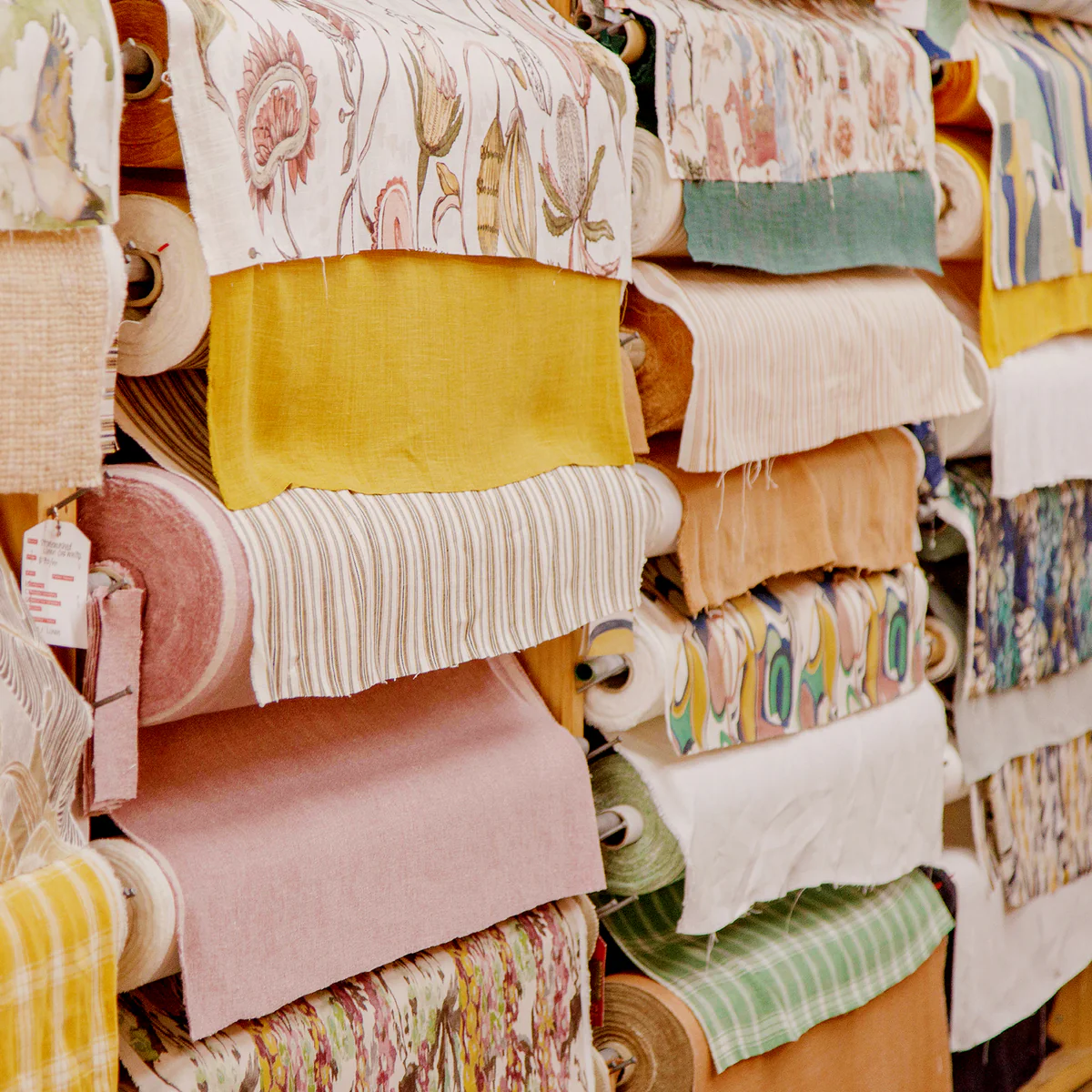
Before you contact suppliers, you must define your exact fabric requirements. Cotton comes in various forms, and choosing the right one impacts the final look and feel of your garments.
- Types of Cotton: Pima and Egyptian cotton offer long fibers, resulting in softer and more durable fabrics. Standard upland cotton provides a cost-effective option for everyday apparel.
- Common Weaves: Twill creates a sturdy diagonal pattern suitable for pants and jackets. Poplin offers a smooth, crisp finish ideal for shirts. Jersey knit provides stretch and breathability for t-shirts.
- Quality Indicators: Check the thread count, fiber length, and colorfastness. High-quality cotton feels smooth, resists pilling, and maintains its color after multiple washes.
Key Regions and Cities for Textile Sourcing
The Philippines features several key areas known for textile trading and garment manufacturing.
Metro Manila serves as the primary hub for fabric sourcing. It houses massive wholesale markets and distribution centers. Bulacan and Rizal provinces also host numerous garment factories and textile warehouses, making them strategic locations for brands looking to build relationships with local suppliers and manufacturers.
Major Textile Markets and Districts
Physical markets allow you to inspect fabrics firsthand and negotiate directly with vendors.
Divisoria
Divisoria remains the most famous wholesale market in Manila. Shopping malls like 168, 999, and the surrounding streets house hundreds of textile vendors. You can find almost any type of fabric here at competitive wholesale prices.
Taytay Tiangge
Located in Rizal, Taytay is the garments capital of the Philippines. While famous for ready-to-wear clothing, the area also features numerous fabric suppliers catering to the local sewing and manufacturing community.
Other Hubs
Kamuning Market in Quezon City offers a wide selection of fabrics, though on a smaller scale than Divisoria. It provides a more organized shopping experience with tailors readily available on-site.
Online Marketplaces and B2B Platforms
Digital platforms offer convenience and access to a wider range of suppliers. When you buy fabric online, you can easily compare prices and read supplier reviews.
Fabriclore Pvt Ltd leads this space by offering a tech-enabled platform for fashion brands. They simplify fabric sourcing by providing custom design options and transparent delivery tracking. Other B2B platforms also connect local buyers with international mills, allowing you to source specific cotton blends that might not be available in local physical markets.
Direct from Mills: Working with Local Manufacturers
Partnering directly with local textile mills offers significant advantages for growing brands.
When you bypass middlemen, you secure better pricing for bulk orders. Direct relationships also allow you to request custom weaves, specific dye colors, and specialized fabric finishes. While local mills often require higher minimum order quantities, they provide greater control over your supply chain and production timelines.
Importing Cotton Fabric: Procedures and Considerations
If local suppliers cannot meet your specific requirements, you may need to import your materials.
Importing requires a solid understanding of customs regulations, tariffs, and shipping logistics. You must secure the necessary import permits from the Bureau of Customs. Factor in shipping costs, lead times, and potential port delays when planning your production schedule. Working with an experienced freight forwarder helps streamline this process and prevents costly mistakes.
Sustainable and Ethical Sourcing
Consumers increasingly demand transparency and responsibility from the brands they support.
Sourcing sustainable materials protects the environment and strengthens your brand reputation. Look for suppliers who offer organic cotton, which uses less water and eliminates harmful pesticides during cultivation. Verify that your suppliers follow ethical labor practices and provide safe working conditions for their employees. Certifications like GOTS (Global Organic Textile Standard) help validate these claims.
Tips for Quality Control and Supplier Vetting
Protect your investment by establishing strict quality control procedures before signing any contracts.
- Request Swatches: Always ask for fabric samples before placing a bulk order. Test these swatches for shrinkage, color bleeding, and durability.
- Check References: Ask potential suppliers for references from other clothing brands they work with.
- Start Small: Place a small trial order to evaluate the supplier’s reliability, communication, and product consistency.
- Draft Clear Contracts: Document all specifications, delivery timelines, and penalty clauses for late or defective shipments in a formal agreement.
Securing Your Supply Chain for Brand Growth
Finding the right suppliers for Cotton Fabric in the Philippines requires diligence and a clear understanding of your production needs. From the bustling stalls of Divisoria to the streamlined digital experience of Fabriclore Pvt Ltd, you have multiple avenues to source high-quality materials. Evaluate your options carefully, prioritize quality control, and build strong relationships with your suppliers to ensure the long-term success of your clothing brand.
Fabriclore is a leading B2B fabric sourcing platform dedicated to empowering fashion designers, apparel manufacturers, and clothing brands worldwide. With 10+ years of experience in the textile industry, we have built a trusted network that connects creativity with high-quality fabrics, ensuring seamless and efficient sourcing for every scale of production.
Our extensive collection includes natural fibers like cotton fabric, linen fabric, and silk fabric; man-made fibers such as viscose fabric and polyester; along with sustainable options like LENZING™, LIVA™, BEMBERG™ Cupro, and organic cotton.
We offer four key services tailored to meet every design and production need:
- Dyeable Fabric – Woven RFD & greige, sustainable, and knitted fabrics.
- Dyed Fabric – Mill dyed, yarn dyed, Schiffli, and denim fabrics.
- Made To Order – Digital printing, screen printing, block printing, and dyeing solutions.
- Ready Stock – Block, screen, Ikat, tweed, and jacquard fabrics.
Explore our diverse range of custom-printed, ready mill-dyed, and yarn-dyed fabrics to find the perfect match for your next collection.
For personalized assistance or inquiries, reach out to us at hello@fabriclore.com.
Experience seamless, authentic, and affordable fabric sourcing with Fabriclore — your trusted partner with over a decade of expertise in the global textile industry.
Leave a Reply