
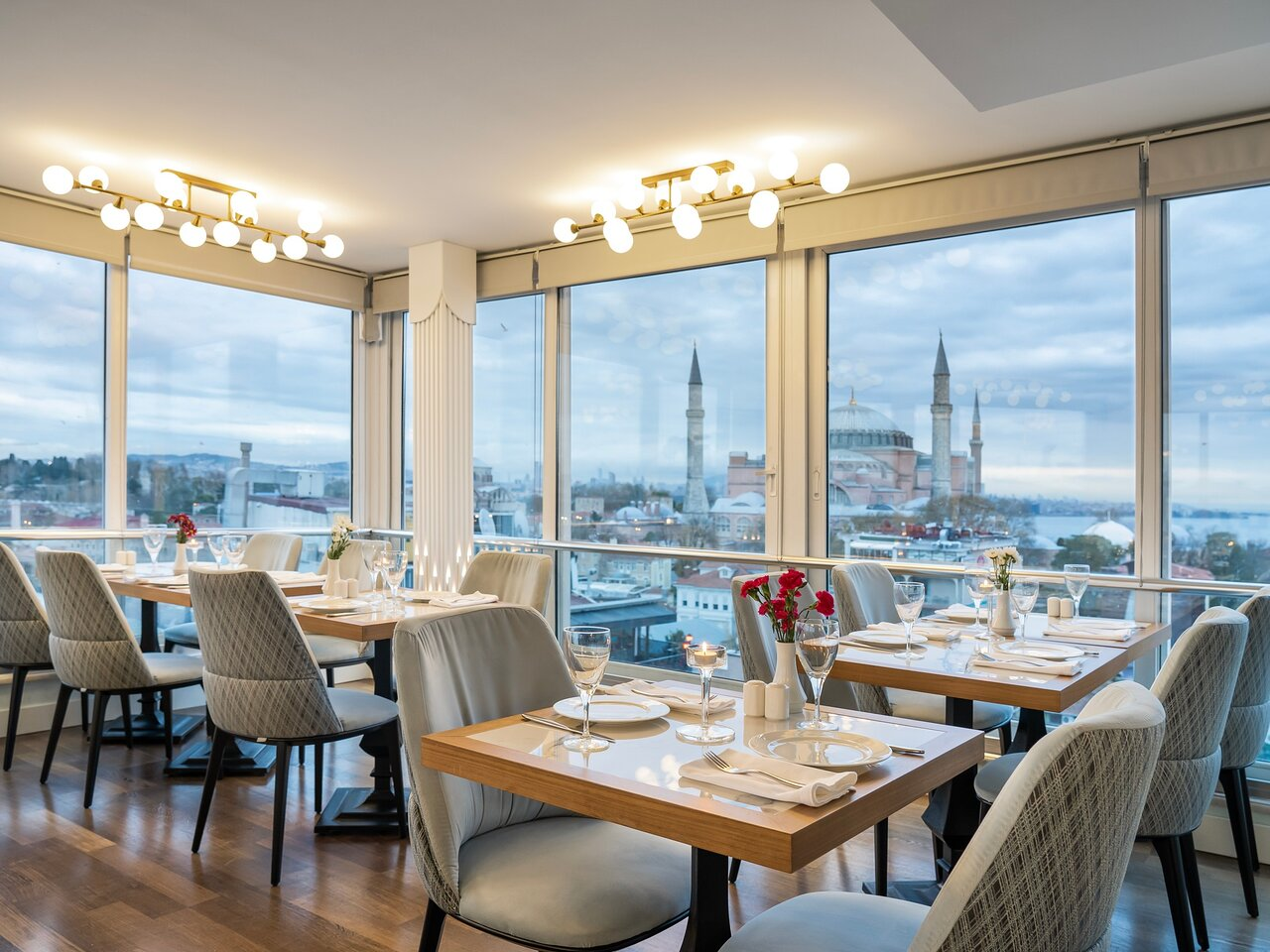
The restaurant industry is constantly evolving. A restaurant today is much more than a place to eat; it is a destination that combines food, ambiance, and experience. Modern diners have higher expectations than ever before, seeking convenience, quality, and memorable experiences. Contact Proper Pour Events for bartending service Greensboro.
The Shift Toward Experiential Dining
One of the most significant trends in the restaurant industry is experiential dining. Customers now look for more than a meal—they want an experience. Restaurants are responding by creating immersive atmospheres, interactive dining options, and unique themes that make dining memorable.
From open kitchens to chef’s tables, these experiences allow diners to engage with the culinary process. Themed restaurants, whether based on cultural concepts, eras, or entertainment, attract visitors who want more than just food—they want a story. This focus on experiences helps restaurants differentiate themselves and build loyal customer bases.
Culinary Innovation and Menu Diversity
A restaurant’s menu is its most important asset. In today’s market, innovation is essential. Many restaurants are offering fusion cuisine, blending flavors from different cultures to create exciting and unexpected dishes. Seasonal menus, locally sourced ingredients, and farm-to-table concepts are also gaining popularity, providing fresh and sustainable options for diners.
Health-conscious menus are another growing trend. Vegan, vegetarian, gluten-free, and low-calorie options are no longer niche—they are essential for meeting the diverse needs of modern customers. Restaurants that embrace these trends often attract a wider audience and improve their reputation for inclusivity and innovation.
Technology and Digital Transformation in Restaurants
Technology has become a key driver of success in the restaurant industry. Online reservations, digital menus, and delivery apps allow restaurants to reach more customers efficiently. Contactless payment and mobile ordering have enhanced convenience, particularly in the post-pandemic era.
AI and data analytics are also helping restaurants improve operations. From predicting popular dishes to managing inventory and tracking customer preferences, technology enables restaurants to operate more efficiently while offering personalized experiences. Social media marketing and online presence further amplify visibility, making it easier for restaurants to connect with customers.
The Critical Role of Customer Service
Even with technological advancements, customer service remains vital to a restaurant’s success. Friendly, attentive staff can turn an ordinary meal into a memorable experience. Personal touches, such as remembering regular diners’ preferences or accommodating dietary needs, foster loyalty and encourage repeat visits.
Investing in staff training ensures that service quality remains high, which not only improves customer satisfaction but also strengthens the restaurant’s reputation. In many cases, excellent service is what sets one restaurant apart from another, regardless of the cuisine or price point.
Sustainability and Social Responsibility
Sustainability has become a major focus in the restaurant industry. Many restaurants are adopting eco-friendly practices, such as reducing food waste, using biodegradable packaging, and sourcing ingredients responsibly. These efforts appeal to environmentally conscious consumers and enhance the restaurant’s image.
Additionally, restaurants that engage in community programs or charitable initiatives build strong local connections. Socially responsible practices create goodwill and loyalty among customers who value ethical business operations.
Conclusion
The modern restaurant is an intersection of food, experience, technology, and social responsibility. Restaurants today are not merely places to eat; they are destinations where customers seek connection, engagement, and memorable experiences.
By focusing on culinary innovation, leveraging technology, prioritizing exceptional service, and adopting sustainable practices, restaurants can thrive in a competitive market. Whether it is a casual cafe, a fine dining establishment, or a delivery-focused restaurant, the future of dining is defined by creativity, adaptability, and customer-centric strategies.
A successful restaurant is one that not only satisfies hunger but also delivers an unforgettable experience, builds community, and embraces the evolving expectations of modern diners.
Leave a Reply